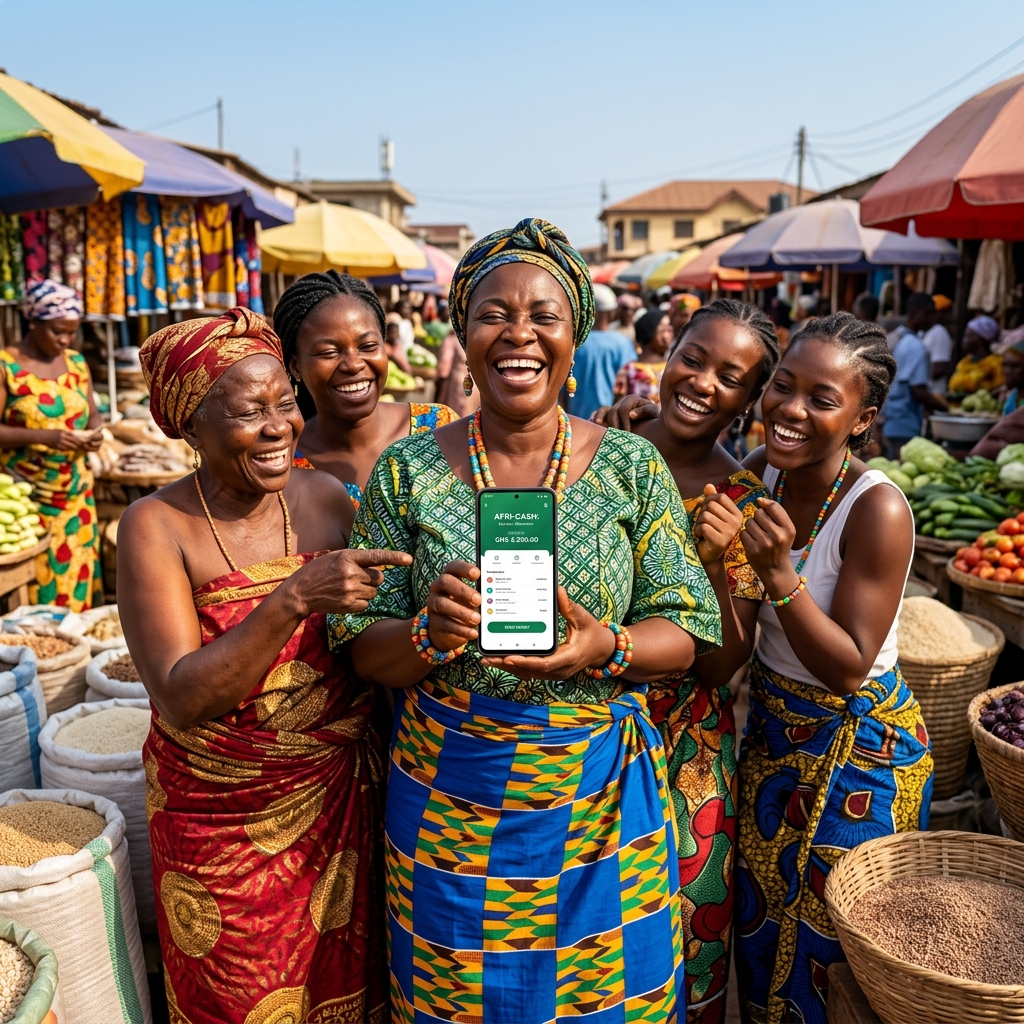
MAMA PAY is a women-focused financial ecosystem providing simple, affordable, and accessible banking, payments, and loans to millions of market women, traders, and entrepreneurs across West Africa.
To provide simple, accessible, and highly affordable digital financial tools—banking, payments, savings, and credit—tailored specifically to the realities of unbanked and underserved women.
A West Africa where every woman, regardless of her location or educational background, has the financial infrastructure she needs to grow her business and secure her family's future.
In West Africa, women constitute nearly 50% of the population and are the absolute backbone of informal commerce. From local food markets to cross-border trading, women drive billions of dollars in daily economic activity.
Yet, the formal banking sector has largely left them behind. Complex onboarding requirements, high transaction fees, lack of digital literacy, and the sheer distance to physical bank branches mean that millions of women are forced to operate entirely in cash. This exposes them to theft, prevents them from accessing formal credit, and severely limits their business growth.
MAMA PAY was born out of a deep understanding of these challenges. We realized that to bank the unbanked woman, we couldn't just offer her a traditional bank account; we had to build an ecosystem that speaks her language, operates in her community, and actively supports her hustle.
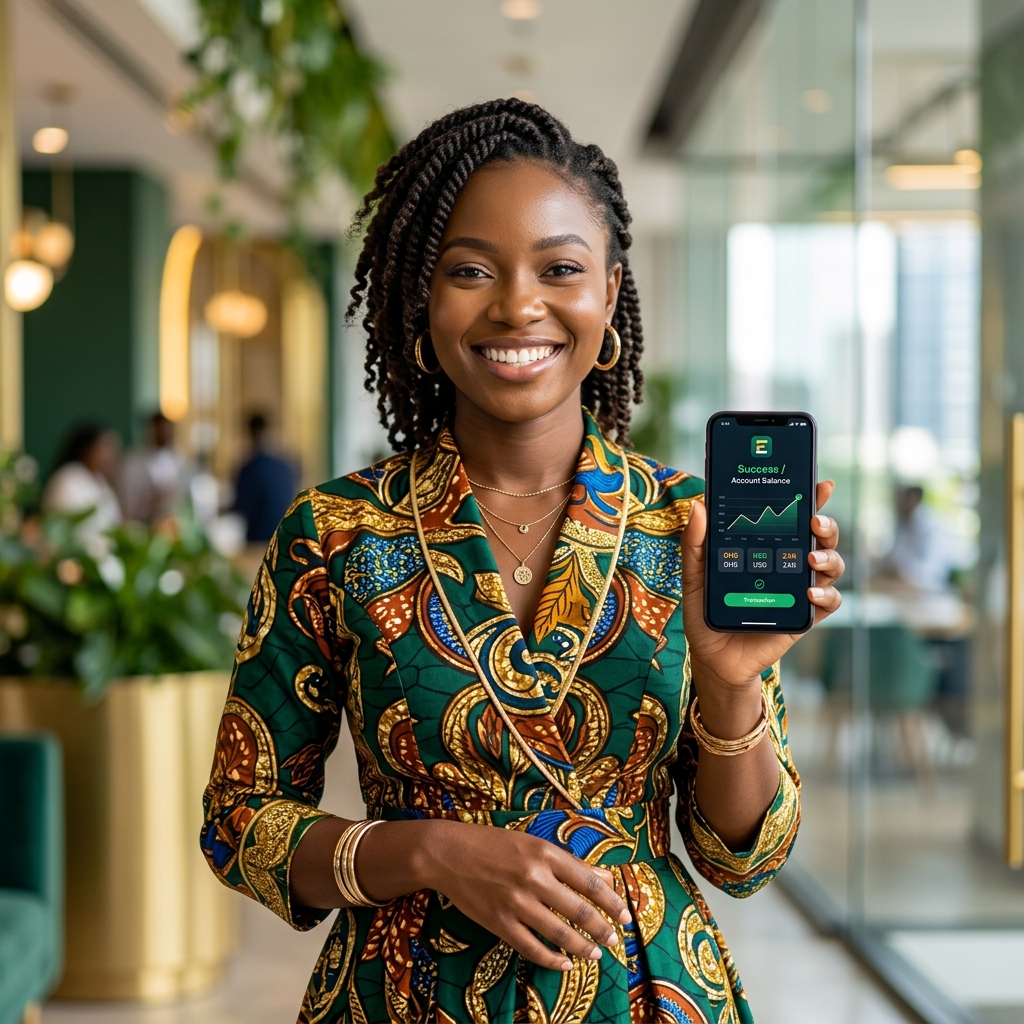
MAMA PAY is a women-focused financial ecosystem providing simple, affordable, and accessible banking, payments, and loans to millions of market women, traders, and entrepreneurs across West Africa.
Women represent nearly 50% of West Africa's population (~238 million) and drive billions of dollars in daily trade — yet most operate in a cash-based, unbanked world.
Yet most remain excluded from formal digital financial systems — a gap MAMA PAY is built to close.
MAMA PAY combines mobile technology, community agents, and grassroots networks to deliver the full spectrum of financial services women need — simply, affordably, and accessibly.
Register, transact, save, and manage finances from a simple mobile application designed for ease of use — even with limited digital literacy.
Access cash and financial services through ATM-enabled infrastructure expanding into underserved markets, towns, and rural communities.
Over 50,000 trained community agents across all Local Government Areas provide in-person support, account opening, and cash services.
Affordable loan products designed for market women and small business owners — with simple eligibility, fair rates, and flexible repayment.
A growing network of POS agents, shops, and supermarket partners serve as MAMA PAY service points for deposits, withdrawals, and transfers.
Strategic production partnerships deliver subsidized household essentials — detergents, food items, and kitchen supplies — through merchant distribution networks.
MAMA PAY is designed to be as simple as possible — so no woman is left behind regardless of location, literacy level, or device access.
Sign up via the MAMA PAY mobile app or through a local community agent — no formal paperwork required.
Your digital wallet is instantly activated for secure payments, transfers, and savings contributions.
Accept payments, pay suppliers, send money, and build savings — all from your phone or nearest agent.
Access soft loans to expand your business, supported by your transaction history and community network.
Our collaborative partner ecosystem spans finance, government, technology, civil society, and community — creating a resilient, scalable network that reaches every woman.
MAMA PAY launches with a focused, high-impact Phase One to build the foundation for nationwide and then regional expansion across West Africa.
Phase One targets one million women across selected communities, markets, cooperatives, and business clusters in Nigeria — establishing the grassroots network and technology infrastructure for national and regional scale.
MAMA PAY is seeking strategic partners — investors, institutions, NGOs, government bodies, fintechs, and community organizations — to help scale this transformative initiative across West Africa.